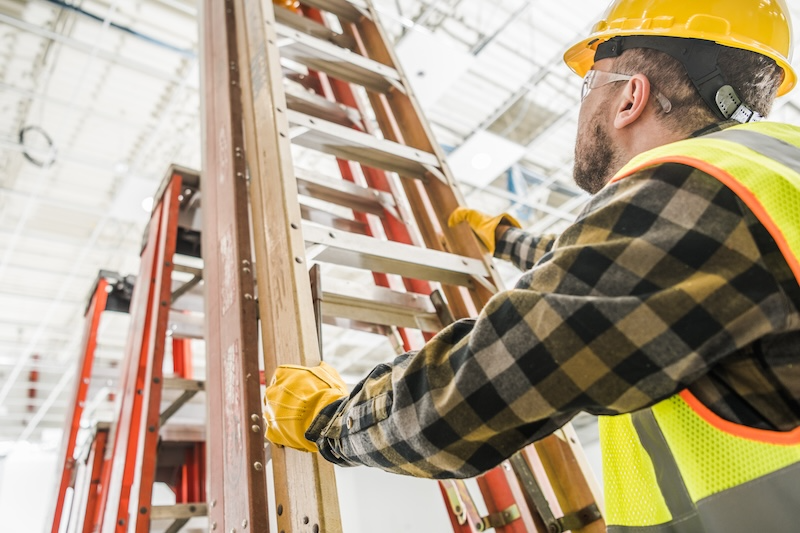
Construction sites are challenging work environments where employees regularly move tools, materials, and equipment between different levels. They must work through changing weather conditions, dust, heat, moisture, and constant activity. Despite these demands, access equipment is sometimes treated as a secondary consideration, with standard ladders used in spaces that require more specialized solutions. This can create unnecessary safety hazards, disrupt work schedules, and lead to compliance problems.
Custom heavy-duty ladders provide a more practical alternative. Designed to suit a project’s specific requirements, they deliver dependable access, improved stability, and long-term performance. Incorporating these ladders into the initial construction plan can make a significant difference to workplace safety and operational efficiency.
Why are custom heavy-duty ladders used in modern construction sites
Every construction site has unique structural features. Rooftops may have parapets and access hatches, while mezzanines, machinery platforms, elevator pits, and elevated walkways require carefully planned access points. A standard ladder may not fit these spaces correctly. It could be too short, positioned at an unsuitable angle, or attached to a surface that cannot safely support its weight. Custom heavy-duty ladders address these challenges through project-specific engineering. Their height, inclination, rung spacing, mounting arrangements, and landing configurations are determined according to the installation location. This helps minimize awkward movements and unsafe transitions when workers climb on or off the ladder.
Properly designed access systems also make it easier for employees to maintain their balance while moving between levels. By reducing the need for improvised access arrangements, construction teams can create a safer and more consistent working environment.
Construction workers rarely climb ladders without carrying additional equipment. Tool belts, protective gear, materials, and other essentials increase the total load placed on the structure. Repeated use and the impact generated during climbing also contribute to the demands placed on ladder components. Heavy-duty custom ladders are engineered to accommodate the intended working conditions and specified load requirements. Depending on the design, certain industrial access systems, including ship-style ladders with integrated platforms and return configurations, can be engineered for capacities of up to 1,000 pounds.
Reinforced roof-access ladders are also available in specialized configurations, like handrails-over-roof, roof-return, and parapet-return designs. These options provide practical solutions for projects requiring additional structural support and carefully planned transitions. For commercial buildings, industrial facilities, and large construction developments, selecting equipment with an appropriate load rating is essential. The ladder must be specified for the expected combined load, frequency of use, and installation conditions rather than chosen solely on appearance or price.
Custom-built equipment does not necessarily mean excessive expenditure. Many manufacturers combine project-specific dimensions and configurations with established components and proven fabrication methods. This approach provides flexibility while helping control production costs.
The long-term financial benefits also deserve consideration. A properly specified ladder can reduce the frequency of replacement, minimize downtime associated with unsuitable equipment, and help prevent avoidable maintenance problems. Reliable access equipment can also reduce exposure to the financial consequences of workplace accidents, including medical expenses, lost working hours, insurance claims, and potential legal liabilities.